Beginner's guide to potting mix
Why your ₹50 nursery soil is killing your indoor plants — and the simple 3-ingredient recipe that fixes everything.
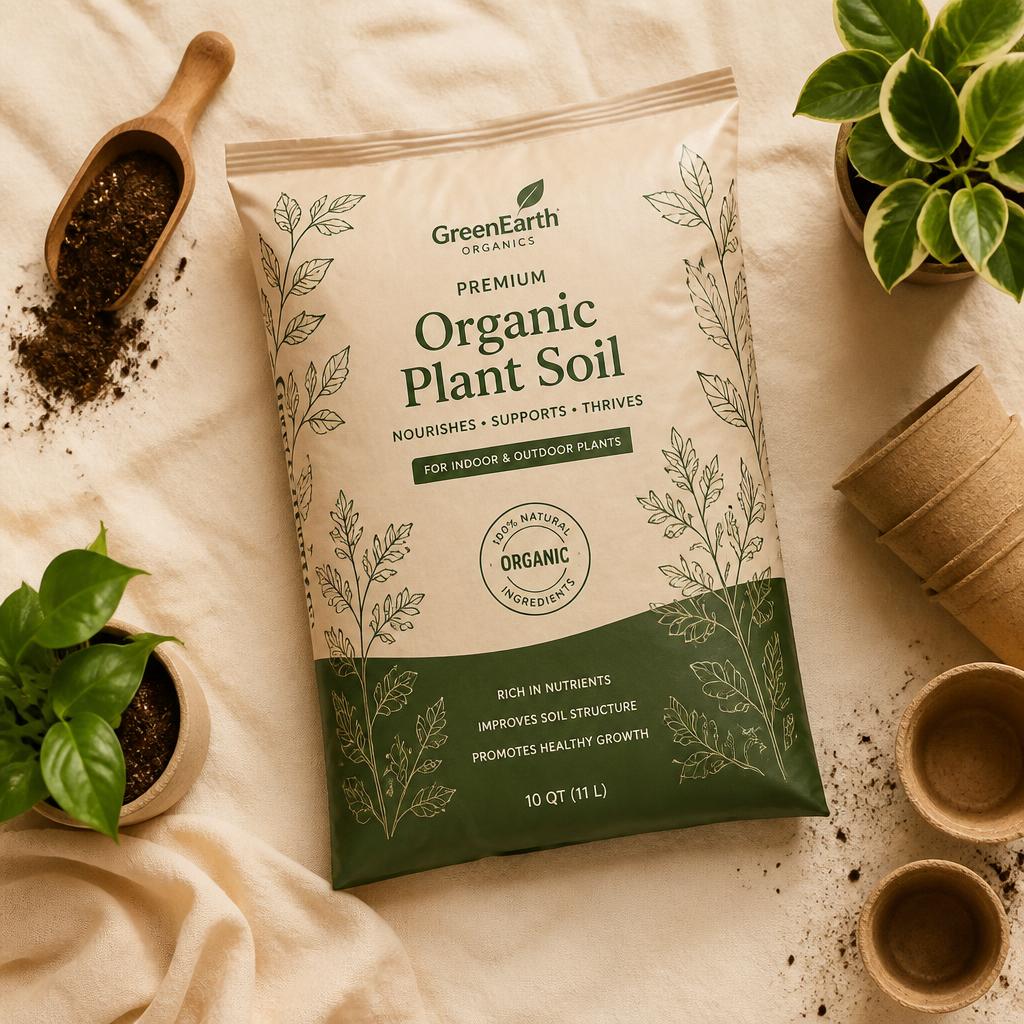
The single biggest upgrade you can make to your indoor plants is not better light, not a fancy fertiliser, not a beautiful pot — it's the soil. Yet potting mix is the part almost every new plant parent in India ignores. The ₹50 polybag from the local nursery is almost always pure red garden soil mixed with raw cow manure: cheap, heavy, and quietly fatal indoors.
Why nursery soil fails in apartments
In an open ground bed, red soil works fine — rainwater drains laterally, earthworms aerate the structure, and roots can spread for metres. Inside a 6-inch pot on your balcony, none of that happens. The clay particles in red soil compact under repeated watering until the surface becomes a hard crust and the lower half turns into airless mud. Roots suffocate, rot sets in, and the plant declines slowly enough that most people blame themselves rather than the soil.
What plants actually need from soil
Indoor potting mix has three jobs: drain excess water quickly so roots aren't sitting in liquid; hold enough air pockets that the fine root hairs can breathe; and release nutrients slowly so the plant doesn't depend entirely on liquid feeds. Garden soil in a pot does none of these well.
The GreenCart house mix
After testing more than thirty combinations, this is the recipe we use for every aroid, philodendron, peace lily, calathea, and most foliage plants in our nursery: 60% coco peat (drainage plus moisture retention), 30% perlite (permanent air pockets), and 10% well-rotted vermicompost (slow nutrition). Mix it once in a large tub, store the rest dry in a sealed bucket, and you have months of potting medium ready to go.
Coco peat is the brown fibrous block sold for ₹40 to ₹80 at any nursery — soak it in water for 30 minutes and it expands eight times. Perlite is the small white volcanic mineral that looks like tiny styrofoam balls; it never breaks down and gives roots permanent air. Vermicompost is the dark crumbly worm-cast humus — make sure it's properly composted (it should smell earthy, not pungent).
Succulent and cactus mix
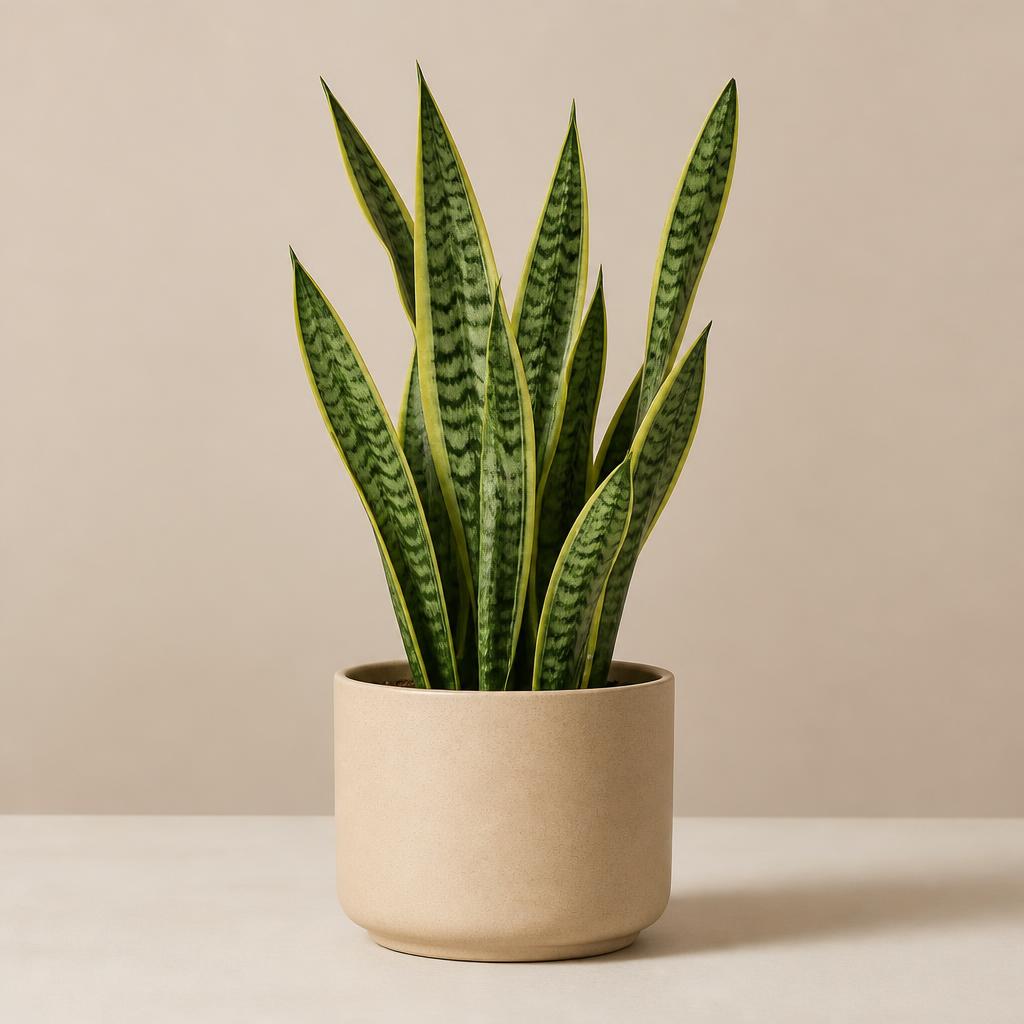
For succulents, cacti, snake plants, ZZ plants and most caudex plants, flip the ratio: 60% perlite or coarse river sand, 30% coco peat, 10% compost. Their roots are evolved for deserts — they rot in 48 hours in standard houseplant soil. If you're growing a haworthia or echeveria collection, go even further: 70% mineral, 20% peat, 10% compost.
Aroid mix (for collectors)
If you're keeping rarer monsteras, anthuriums or philodendrons, switch to a chunky aroid mix: 40% coco peat, 30% perlite, 20% orchid bark, 10% horticultural charcoal. The bark and charcoal create the airy structure these climbing plants get from rotting logs in their native rainforests.
When (and how) to repot
Most indoor plants want a fresh pot every 18 to 24 months. The signs are visible: roots circling the drainage hole, water running straight through without soaking in, the plant tipping over easily, or yellowing despite good care. Repot in spring (February to April in most of India), one pot size up — not two. Going from a 4-inch to a 5-inch pot is right; jumping to an 8-inch invites root rot.
Water the plant the day before repotting so the root ball holds together. Slide it out, tease the bottom third of roots loose with your fingers, place it on a 2 cm base of fresh mix in the new pot, fill the sides, tamp gently, and water once until it drains. Don't fertilise for three weeks — fresh mix and disturbed roots are a bad combination with strong feed.
What about garden soil for outdoor pots?
For terrace and balcony pots holding hibiscus, jasmine, curry leaf, tulsi and most Indian ornamentals, you can use a 50/50 mix of garden soil and coco peat with a handful of compost. The outdoor evaporation rate is high enough that the heavier soil drains adequately. But never bring that mix indoors — the moment evaporation slows down, you're back to compacted clay and unhappy roots.
Bring this article home.
Shop the plants and tools mentioned above, delivered across India with a 30-day green-leaf guarantee.
Browse the shop